What Is a Ventriloquist? The Art Behind the Comedy
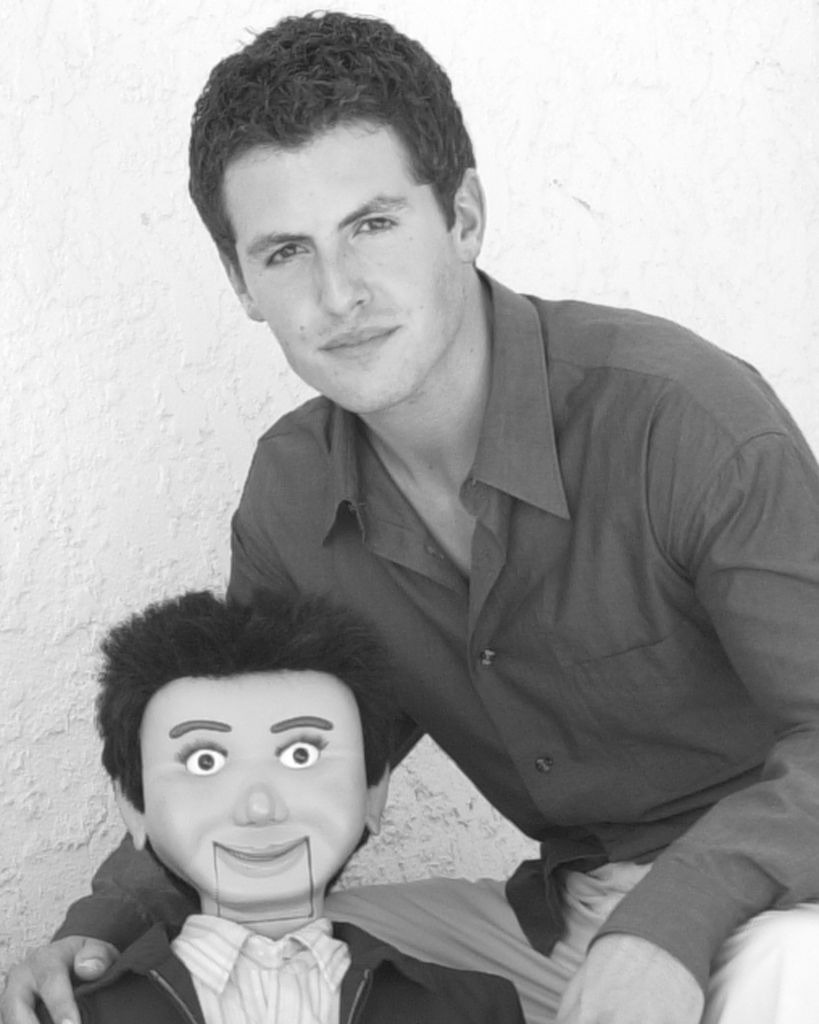
The short answer: a ventriloquist is a performer who makes it seem like their voice is coming from somewhere else, usually a puppet, without appearing to speak. That's the dictionary definition.
The real answer is bigger than that. A good ventriloquist is a comedian, actor, puppeteer, voice artist, and writer, all working at the same time, inside one body. And one of the characters onstage keeps trying to get the other one fired.
I've been doing this for nearly 20 years. I've been invited to New York by The Late Show with David Letterman and performed at conferences and events throughout the US and Canada. So let me show you what's really going on up there.
Where the word comes from
"Ventriloquist" comes from Latin: venter (belly) and loqui (to speak). Literally, a "belly speaker."
The name comes from an old belief that the voice came from the stomach. In the ancient world, voices that seemed to come from somewhere other than a person's mouth were tied to spirits, prophecy, and the supernatural. Over the centuries, the mystery became a performance, and the performance became an art. The classic format most people picture today, a performer with a talking figure on their knee, grew up on the variety and vaudeville stages and has kept evolving ever since.
The belly part, for the record, is a myth. The voice comes from the same place everyone's does. (I get into that in Do Ventriloquists Really Throw Their Voices?)
What a ventriloquist is actually doing
When you watch a ventriloquist, you're watching several separate skills run simultaneously:
1. Voice control. Speaking clearly with minimal lip movement, including the tricky letters like B, P, and M. (The full breakdown is in How Do Ventriloquists Talk Without Moving Their Lips?)
2. Character voices. Each puppet needs its own pitch, rhythm, and attitude, distinct enough that you never wonder who's talking.
3. Puppetry. Lip sync on every syllable, eye movement, head turns, breathing, posture. One hand is running an entire personality.
4. Acting. I'm playing myself and reacting to the puppet as if I've never heard what it's about to say, even though I wrote it.
5. Comedy. Writing, timing, pauses, callbacks, and reading the room.
6. Switching. Moving back and forth between two characters, sometimes mid-sentence, sometimes interrupting each other, without losing either one.
That last one is the part people underestimate. A conversation between two characters is only funny if both of them are fully there. If either one slips, the scene goes flat.
Dummy, figure, or puppet?
You'll hear all three. Many ventriloquists say "figure." "Dummy" is the classic, old-school word, and frankly, it's funnier, which is part of why this show is called Funny Dummy. Whatever you call them, the characters themselves would like you to know they are not the dummies in this relationship. They have opinions about that.
Why a puppet gets away with more
Here's the secret engine of ventriloquist comedy: audiences let a puppet say things they'd never let a person say.
A puppet can be rude, blunt, vain, sarcastic, or brutally honest, and the audience loves it. If I said the same lines in my own voice, it might not land the same way. The puppet becomes the id, the troublemaker, the one who says what everybody's thinking. I become the straight man trying to keep things under control and usually failing.
That tension is where the laughs live. It's why I call it comedy with a split personality, and why the show gives you three entertainers for the price of one.
What makes a comedian ventriloquist different
Plenty of people can learn the basic trick of talking without moving their lips. That's a skill. It isn't a show.
A comedian ventriloquist builds the act on stand-up comedy first. The ventriloquism is the delivery system, but the jokes, the characters, and the timing are what carry the night. The question isn't "Did his lips move?" It's "Was that the funniest thing I've seen all year?"
That's the kind of act I've always worked toward. If you want to know more about how I approach it, take a look at my comedian ventriloquist page.
"Isn't ventriloquism for kids?"
It's one of the most common assumptions, and I understand where it comes from. Lots of people first met a talking puppet on children's TV.
But ventriloquism has a long history of entertaining adults, and modern ventriloquism plays comedy clubs, theaters, corporate events, and private shows. Clean comedy and kids' comedy aren't the same thing. A show can be completely clean and still be sharp, surprising, and built for grown-ups. That's exactly the target I aim for: smart enough for adults, clean enough that nobody has to cover anyone's ears.
How long does it take to learn?

I started at 15, carving my first figure out of a block of wood, so I've lived every stage of this.
Honestly? The basics come with steady practice. Making it look effortless takes years. And the comedy side, the writing, the characters, the timing, is something I'm still refining after nearly 20 years.
If you're curious about trying it, start with the lip technique, practice in short sessions, and record yourself on video. But don't stop at the technique. Spend just as much time asking who your character is, what they want, and why they'd argue with you. That's where an act comes from.
What makes a ventriloquist great
There's a moment in every good ventriloquist show. It usually comes early, somewhere in the first few minutes, when the audience stops watching the performer's mouth and starts watching the puppet like it's a person.
After that, nobody is thinking about technique anymore. They're just laughing at two characters who clearly can't stand each other, and can't live without each other either.
That moment is the art behind the comedy. Everything else is how you get there.
See it in action
Want to know how it all started for me? Read the story. Planning a conference, corporate event, or gala and want a show like this? Check availability.
More From Backstage Thoughts
How Do Ventriloquists Talk Without Moving Their Lips?
A working ventriloquist explains the real technique: lip position, the six 'impossible' letters, the substitutions that replace them, and why your brain helps the illusion along.
Do Ventriloquists Really Throw Their Voices?
No ventriloquist can physically throw their voice. Here's what's really happening, why your brain believes the puppet is talking, and how the 'distant voice' trick works.